






































RVP After Journey Program
Bringing Global Education To Local Students, Through Local Teachers
get to know
What is the RVP After Journey Program?
The RVP After Journey Program is a collaborative strategy developed in partnership with Countries’ Education Ministries or Departments of Education to strengthen national education systems by reintegrating internationally trained local teachers into their home country’s education system. After spending several years teaching in accredited schools abroad through the RVP-Teach Programs, these teachers return with international hands-on classroom teaching experience, advanced teaching methodologies, and exposure to global best practices.
Through the After Journey Program, we support their reintegration as leaders, mentors, and agents of innovation and change, empowering them to strengthen local classrooms, uplift school communities, and contribute meaningfully to national education reforms.
L to R: Mr. Kyle Harrigan from the U.S. Department of State, Consul Ella Karina Mitra from the Philippines Consulate in Chicago, Mr. Amidu Mohammed Karande from the Embassy of the Republic of Ghana, General Consul Atty Melanie Rita Diano from the Philippines Consulate in Chicago, and Founder and CEO Sabrina Abdu of RVP Consultants
Trusted by Leading Schools Across the World


Living the Journey & Thriving Internationally
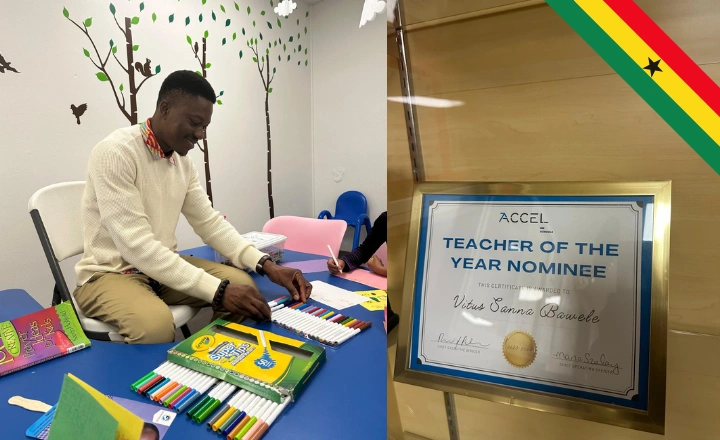
Vitus Sanna Bawele
At my current school, I launched a cross-curricular project called Math & Reading Adventures to boost engagement and achievement in 2nd and 3rd grade. Through activities like Math Mysteries, where students solved math puzzles to unlock parts of a story, and a Reading Passport program that rewarded reading progress, students practiced key skills in a fun, consistent way. As a result, math grades increased by 80 percent, reading levels improved by 71 percent, and the class met their I-Ready growth goals in both subjects. Attendance also rose by an average of 78 percent, reflecting increased motivation and enthusiasm.
Elementary Teacher
Mount Auburn Preparatory Academy
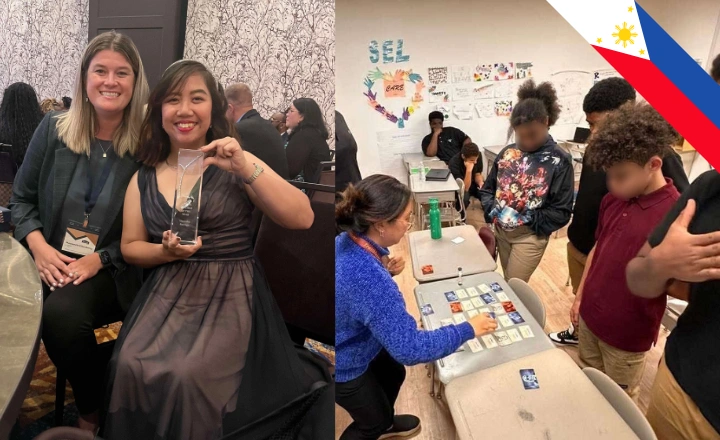
Daneeka Sam Barroga
At CATA, I helped increase English II scores by nearly 12 points from February to the end-of-course exam in April through targeted instruction and data-driven support. I also serve as the journalism club adviser, where I mentor students in writing, editing, and publishing a monthly newsletter for CATA families. This platform not only builds students’ communication and leadership skills but also strengthens the school’s connection with the broader community.
ELA Teacher
Columbus Arts & Technology Academy
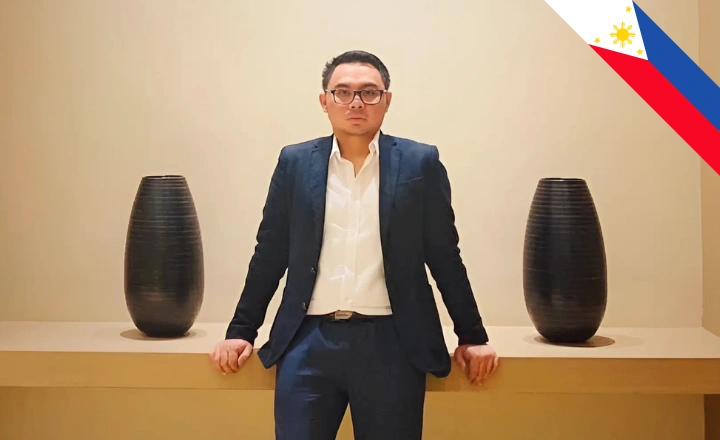
Ryan Pastolero
With consistency and passion, I became the first teacher to be recognized as 'Employee of the Month' both by my school and ACCELS for both semesters of this school year 2024-2025. My second-grade class has consistently exceeded expectations, showing strong performance on short cycle assessments and steady progress on iReady lessons having 100% completion and passing rate since September. This led for their diagnostic scores to demonstrate commendable growth from fall to winter, reflecting both academic gains and sustained effort.
ELA Teacher
Columbus Arts & Technology Academy
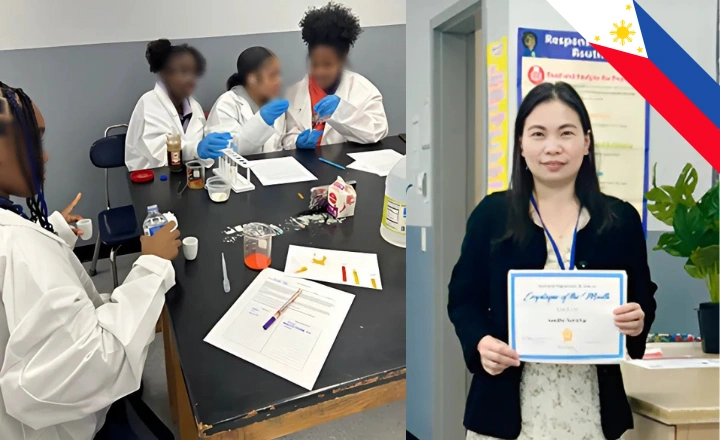
Genifer Tomelap
At Eastland Preparatory Academy, I launched a project-based science initiative focused on renewable energy. Using state assessment data, I identified areas of struggle, particularly energy transfer, and designed hands-on lessons where students-built models of wind turbines and solar panels. Incorporating simulations and data analysis tools, students worked in teams to test and present their designs. This approach led to a significant rise in science proficiency scores and increased student engagement.
HS Science Teacher
Eastland Preparatory Academy
Eddah Kaminju
At CATA, I introduced an after-school classroom reading club to support struggling readers in a fun and focused environment. Alongside guided reading strategies and peer reading groups, this initiative helped foster a love for reading. Within a year, grade-level reading proficiency rose by 20%, creating a stronger and more inspired school community.
Elementary Teacher
Columbus Arts & Technology Academy

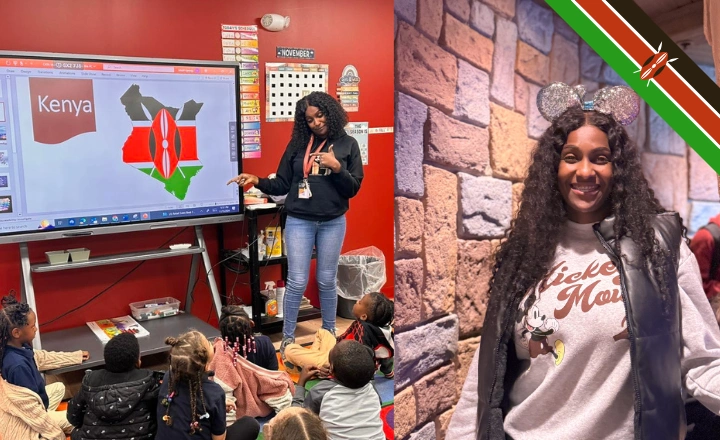
Emmanuel Baah
As a dedicated teacher, I implemented interactive, tech-integrated lessons and project-based learning strategies to boost student engagement and achievement in math. Using monthly scrimmage assessments to track progress, I identified areas for growth and adjusted instruction accordingly. As a result, average math scores increased from 55.6% in December to 69% in January, reflecting measurable academic improvement and stronger student participation.
MS Math Teacher
Akron Preparatory School
Why It Matters
Many teachers return from international assignments with advanced skills and leadership potential, but there is no structured way to apply it locally. The After Journey Program ensures their internationally acquired experience becomes a national asset.
It’s more than reintegration. It’s strategic transformation, where teachers become catalysts for instructional quality, education equity, and policy advancement.
Program Objectives
Reintegrate Internationally Licensed & Trained Teachers into the Local System
Ensure returning educators are effectively reintegrated into the national education system playing critical roles in local schools contributing their international teaching experience.
Elevate Teaching Quality Through Global Best Practices
Strengthen classroom instruction by introducing advanced classroom management techniques, student-centered instruction, and evidence-based methodologies aligned with national and modern teaching standards.
Strengthen National Capacity in Priority Areas
Address national education priorities such as STEM education, digital literacy, special education, world languages acquisition, and early childhood development through the strategic placement of internationally trained local teachers.
Develop Instructional Leaders Within Schools
Position returning teachers as mentors, lead teachers, and professional development facilitators to drive continuous improvement across schools and districts.
Enhance Student Outcomes and Classroom Engagement
Implement the integration of digital tools and platforms in teaching, assessment, and lesson delivery, tailored to school readiness and national tech integration goals.
Expand Technology-Enabled Learning
Implement the integration of digital tools and platforms in teaching, assessment, and lesson delivery, tailored to school readiness and national tech integration goals.
Measure Program Impact and Drive Continuous Improvement
Establish systems to track teacher outcomes, classroom impact, and school-level improvements, using data to inform decision-making, refine strategies, and ensure the long-term success and sustainability of the program.
Support National Reform and Education Policy Implementation
Work in close collaboration with countries Education Ministries or Departments of Education to co-design reintegration frameworks and align the program with national reform strategies, including curriculum modernization, teacher upskilling, and school quality assurance.
Who We Partner With
- Countries’ Education Ministries or Departments of Education
- Foreign Embassies in the U.S.
- National Education Authorities and School Networks
- Public School Districts, Charter Schools, and Private Schools
Recognition & Affiliations
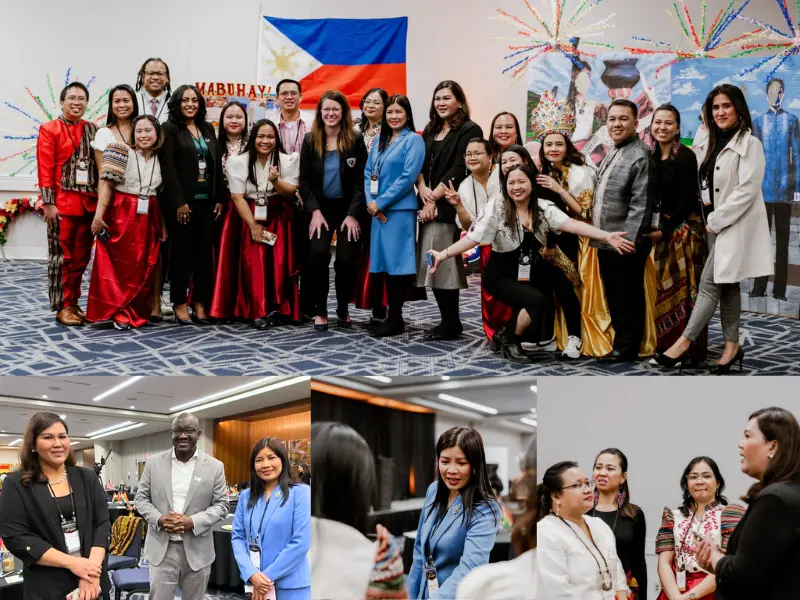
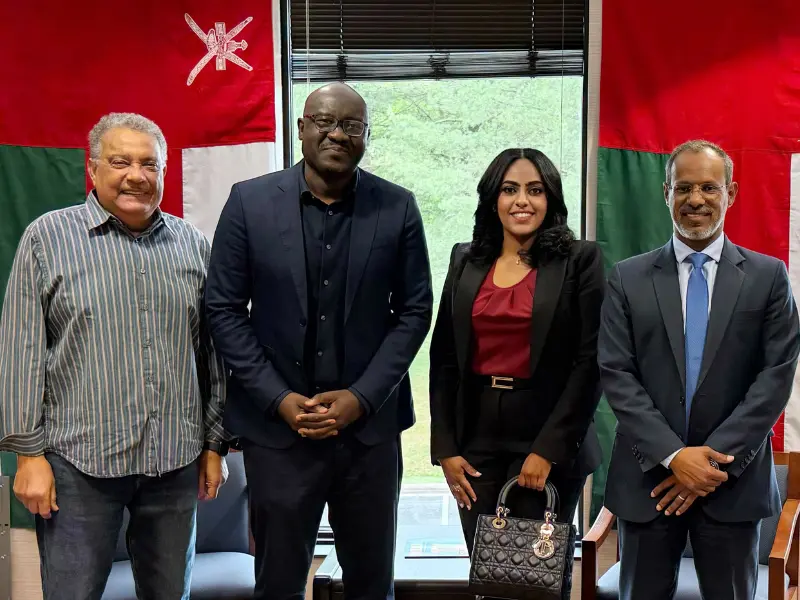
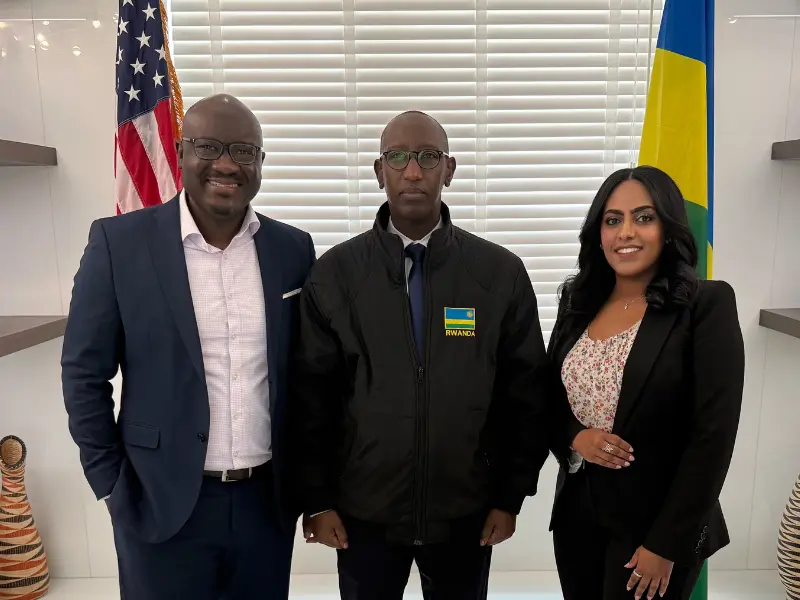
We proudly collaborate with embassies, government agencies, and global education champions to create lasting impact through cultural exchange and school transformation.
How the Program Works
Program Lifecycle & Collaboration Framework
Designed for Countries’ Education Ministries or Departments of Education Ready to Transform Their Systems
The After Journey Program is a full-circle, ministry/department-aligned strategy to strengthen national education through global experience. Each phase is co-developed with the Ministry or Department of Education to ensure long-term, measurable, and meaningful impact.
Build the Vision
Phase 1: Pre-Journey
This phase lays the foundation through deep collaboration with the Ministry or Department of Education to define national priorities and develop a shared implementation plan.
Key activities include:
Needs Assessment & Priority Setting: Identifying critical country needs across STEM, SPED, literacy, early childhood, and instructional leadership.
Teacher & School Selection: Selecting high-potential teachers and participating schools.
Strategic Matching: Align selected educators with international host schools whose instructional models and cultural contexts support the national development vision.
Pre-Departure Preparation: Deliver comprehensive pre-departure training, cultural orientation, and logistical support to selected educators.
Grow the Capacity
Phase 2: During Journey
Educators teach in accredited international schools abroad for 2–5 years, deepening their expertise in instruction, education technology, inclusion, and school leadership ensuring they are having a positive experience while maximizing growth.
During this time:
Competency Development: RVP collaborates closely with host schools and educators to ensure the competencies identified in Phase 1 are actively being developed and strengthened.
Professional Growth: RVP provides ongoing professional development to educators, focusing on digital integration, inclusive teaching, cross-cultural leadership, and data-driven instruction, aligned with national priorities.
Ongoing Support: RVP supports educators throughout their journey, ensuring a positive experience while maximizing professional growth and learning.
Goal Alignment: RVP tracks educator growth to ensure alignment with Ministry-set goals
Global Partnerships & Exchange: RVP facilitates long-term collaboration between host and home schools, promoting cultural exchange and shared learning.
Structured Reporting: RVP documents each teacher’s journey, capturing stories, milestones, and progress, and shares regular reports with the Ministry.
Activate the Impact
Phase 3: After Journey
In this final phase, returning educators are not only reintegrated into the national education system as experienced teachers, but as agents of transformation and drivers of systemic change.
This final phase includes:
Strategic Teacher Placement: Collaborate with the Ministry or Department of Education to place returning educators in roles that advance national reform, whether in classrooms, school leadership, or mentorship positions.
Reintegration Training: Provide reintegration training and support teachers as they transition into classroom, leadership, or mentorship roles.
Leadership Through Experience-Sharing: Returning educators step into leadership roles by facilitating workshops, leading school-based coaching sessions, and driving professional development initiatives, sharing global insights to inspire and elevate their peers.
Professional Development Design & Delivery: Partner with the Ministry or Department of Education to co-create and deliver high-impact professional development webinars, seminars, and conferences, that embed global best practices into local systems.
Program Impact Assessment: Collect and analyze data to evaluate program impact across schools and classrooms.
Policy Feedback & Reform Support: Share findings and recommendations with the Ministry to support education reform efforts and enhance future education policies
Ongoing Local Collaboration: Maintain a collaboration between the host school and the local educators after reintegration for continuing learning.
International and Local School Partnerships: RVP maintains relationships between host and local schools to foster continuous exchange, including organizing in-person visits by international school leaders to mentor returning educators and support broader national vision.
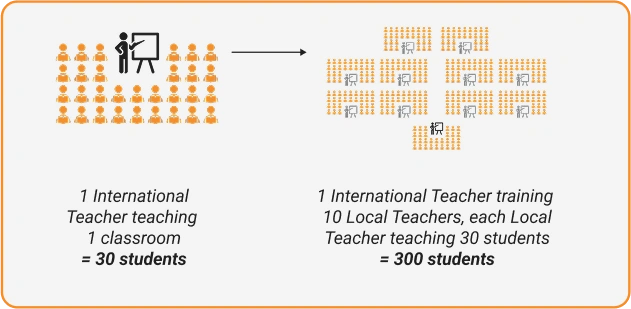
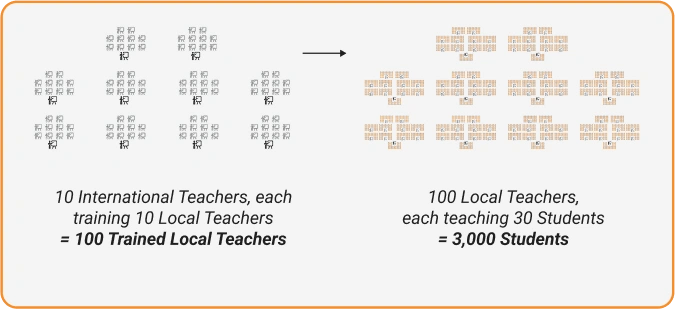
Multiplying Impact
The After Journey Program significantly amplifies the influence of the international teachers, creating a ripple effect that extends far beyond their individual classrooms:
Our Global Reach
With over 14 years of experience, RVP Consultants has partnered with governments, institutions, and educators across 24+ countries. Our strategic presence in 4 key global regions allows us to deliver solutions that are not only internationally informed but locally grounded.
From policy alignment to classroom transformation, we bring world-class expertise, cross-cultural insight, and a deep commitment to educational excellence—wherever we go.
This is where you build a workforce that knows no borders—connecting global talent with opportunities that drive success and innovation.